
perlite for potted plants
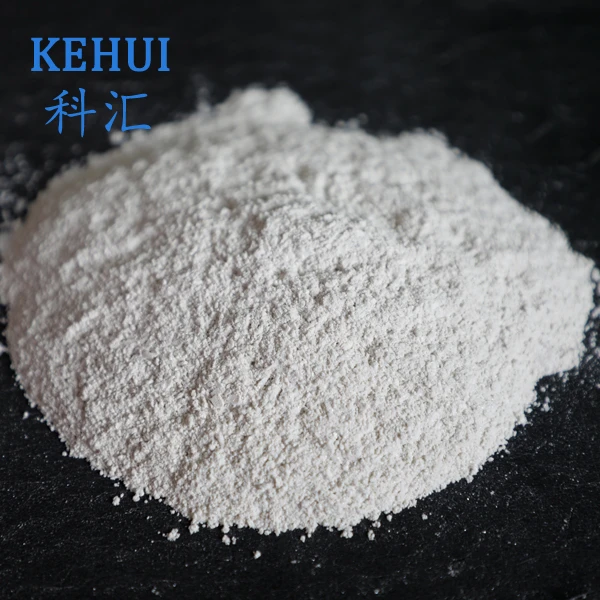
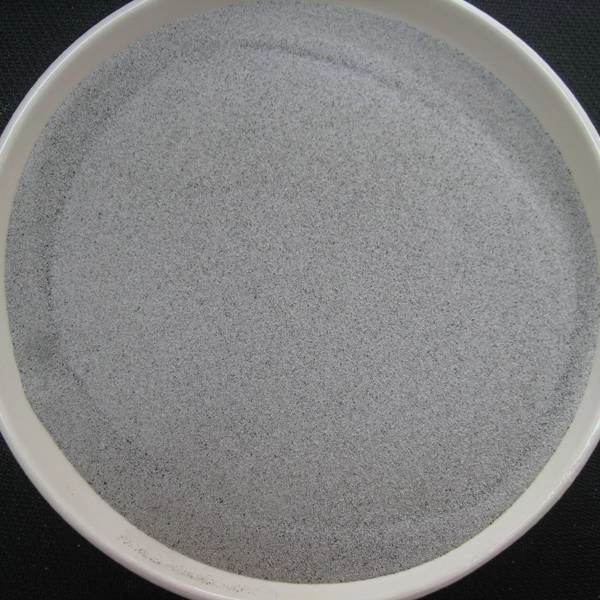
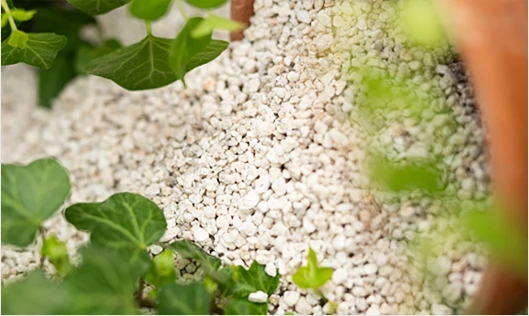
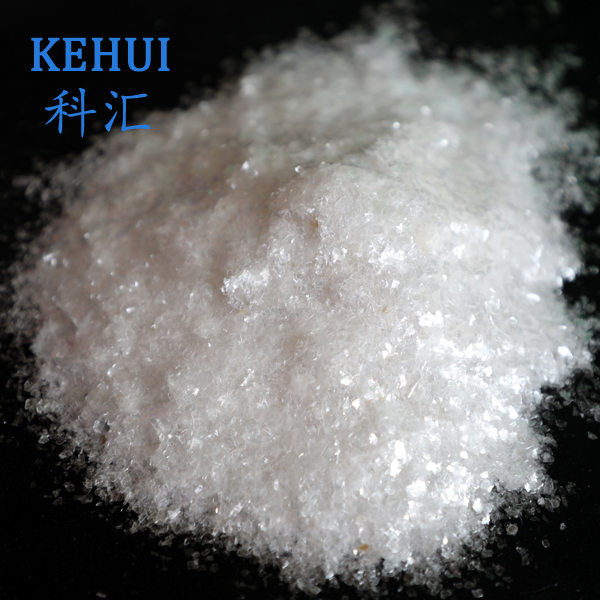
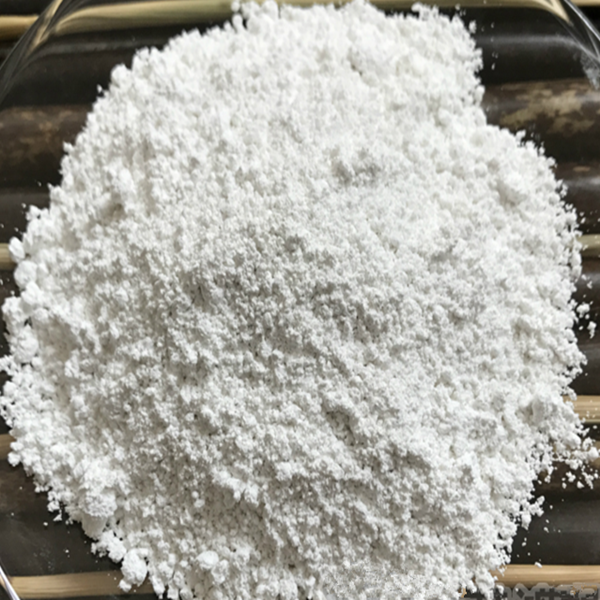
Hands-on Notes from the Greenhouse: 3–6 mm Perlite That Actually Delivers If you’ve been hunting for a forgiving, clean, and honestly low‑drama substrate, 3-6mm gardening growing media expanded perlite is the size many growers keep coming back to. I’ve trialed it in trays and deep Dutch buckets; the drainage-to-holding sweet spot is, well, surprisingly consistent. And yes, it’s kinder to roots than many realize. What’s trending (and why this size matters) Industry trendwatch: commercial propagation is moving to cleaner, inert media that won’t compact after a few cycles. The 3–6 mm cut sits in that friendly middle—room for air pruning, but enough capillarity to buffer between irrigations. In fact, many greenhouse managers say they’re blending 30–50% with coco or peat to stabilize EC and boost porosity. For hydro folks, straight perlite in net pots remains a classic for peppers and cucumbers. Origin and manufacturing (quick but technical) Sourced from Nanjialiang Village, Lingshou County, Shijiazhuang, Hebei, China, raw perlite ore is crushed, screened, and flash-expanded at ≈850–1100°C. The volcanic glass “pops,” creating a lightweight, vesicular granule. Batch QC typically includes sieve analysis (ISO 3310 methods), pH and EC per EN 13037/13038, and physical properties per EN 13041. Service life? Around 3–5 seasons in hydro before breakdown; longer when blended in soil mixes. Product specifications (field-realistic) Product 3-6mm gardening growing media expanded perlite Particle size ≈3–6 mm (sieve retained per ISO 3310; real-world use may vary) Loose bulk density 80–120 kg/m³ (typical for horticultural grade) pH ≈6.5–7.5 (EN 13037) EC <0.1 mS/cm (EN 13038) Water-holding capacity ≈30–45% v/v; total porosity ≈70–75% (EN 13041) Certs/Compliance ISO 9001 (manufacturer QMS), tests per EN 13041/13037; heavy metals screened (EPA 3050 protocols) Applications and advantages Soilless mixes for greenhouse veg and ornamentals; rooting cuttings without soggy collars. Hydroponics/DWC net cups; drip buckets where consistent drain is gold. Fertilizer carrier and slow-release blends—keeps granules evenly dispersed. Landscaping, rooftop planters, and tree pits to reduce weight and compaction. Upsides? Inert, sterile, and stable. No pests, basically no N drawdown. To be honest, the low EC alone saves troubleshooting time. Process flow (from rock to root zone) Ore selection at Hebei quarry; moisture check and initial crushing. Screening to pre-expansion fractions; dust minimization. Flash expansion at ≈850–1100°C; rapid water-vapor foaming forms vesicles. Post-expansion grading to 3–6 mm; magnetic and air separation to reduce fines. QC: sieve curves, pH/EC, bulk density; packaging in PE woven bags. Vendor comparison (pragmatic view) Vendor Origin Size Options QC/Certs Notes Kehuimica (Hebei) China 1–3, 2–4, 3-6mm gardening growing media expanded perlite , 4–8 mm ISO 9001; EN 13041 tests Consistent 3–6 mm; competitive logistics in APAC/ME. Imported Brand A EU/NA Fine–coarse grades EN-series; OMRI (some lines) Excellent uniformity; higher landed cost. Local Bulk Supplier B Varies Mixed cuts Basic QC Budget option; watch fines and EC. Customization and real-world feedback Custom blends (e.g., 60% coco + 40% 3-6mm gardening growing media expanded perlite ) are common. Bagging can be adjusted for moisture-sensitive warehouses. A Shenzhen hydro farm reported 6–8% faster post-transplant recovery in peppers versus straight coco, with root browning essentially gone. Not a lab RCT, but aligns with what I’ve seen. Use tips Pre-wet to control dust; gentle top watering seats particles without crushing. In DWC, rinse and bag in net cups to avoid float until roots anchor. Blend 30–50% with peat/coco to raise AFP (air-filled porosity) and stabilize EC. Authoritative references International Perlite Institute. Horticultural Perlite Properties and Uses. https://www.perlite.org EN 13041:2002. Soil improvers and growing media – Physical properties. Cornell Cooperative Extension. Soilless Culture/Substrate Guidelines. https://cals.cornell.edu EPA 3050B. Acid Digestion of Sediments, Sludges, and Soils (heavy metals screening). https://www.epa.gov
-
0 YearEstablished in 1997
-
0Celia Mica Produced
-
0 ㎡Factory Floor Area
APPLICATION
-

-
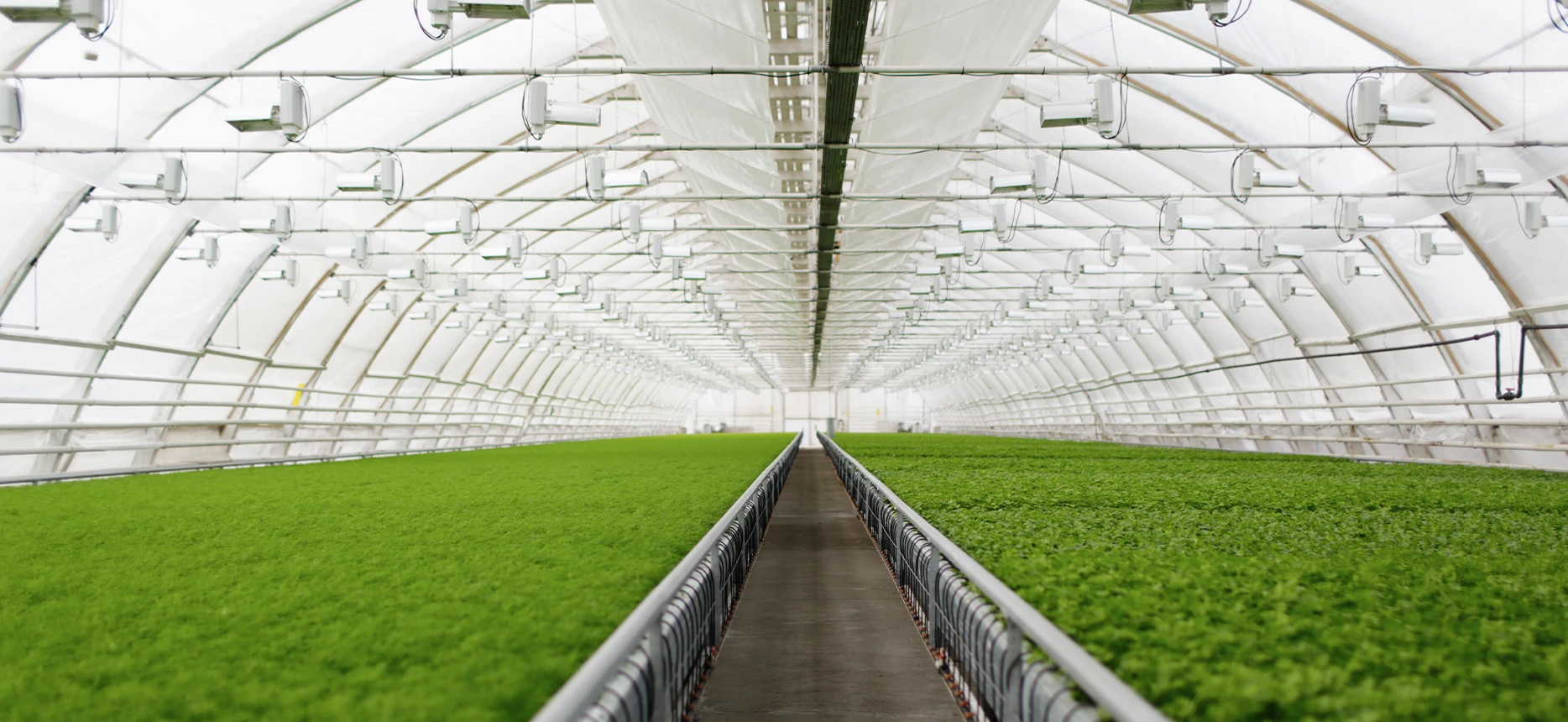
ApplicationHydroponics GardeningGrowing Mediums Gardening &Horticulture Hydroponics&Aquaponics Agricultur al&Greenhouse
-

-
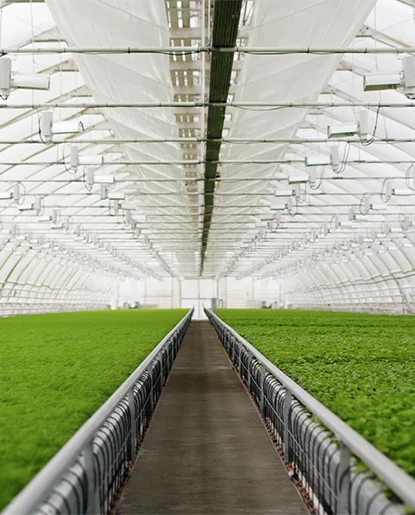
ApplicationHydroponics GardeningGrowing Mediums Gardening &Horticulture Hydroponics&Aquaponics Agricultur al&Greenhouse
 Industrial
Minerals
Industrial
Minerals
 Hydroponics
Gardening
Hydroponics
Gardening